• Review: “The Great Gatsby”
  • Review: “Mud”
  • Review: “The Place Beyond the Pines”
  • Review: “Ginger & Rosa”
  • Review: “Stoker”
  • Review: “Side Effects”
  • Review: “Mama”
  • Review: “Zero Dark Thirty”
  • Review: “Gangster Squad”
  • Review: “Les Misérables”
  • Review: “This Is 40”
  • Review: “Any Day Now”
  • Review: “Anna Karenina”
  • Review: “Silver Linings Playbook”
  • Review: “Hitchcock”
  • Review: “Lincoln”
  • Review: “Life of Pi”
  • Review: “Flight”
  • Review: “Skyfall”
  • Review: “Argo”
  • Review: “The Perks of Being a Wallflower”
  • Review: “Looper”
  • Reviews: “Arbitrage” and “The Master”
  • Review: “The Words”
  • Review: “Celeste and Jesse Forever”
  • Review: “Lawless”
  • Review: “The Campaign”
  • Review: “Total Recall”
  • Review: “To Rome with Love”
  • Review: “The Dark Knight Rises”
  • Review: “Moonrise Kingdom”
  • Review: “Magic Mike”
  • Review: “The Amazing Spider-Man”
  • Review: “Brave”
  • Review: “Abraham Lincoln: Vampire Hunter”
  • Review: “Prometheus”
  • Review: “Snow White and the Huntsman”
  • Review: “Bernie”
  • Review: “The Dictator”
  • Review: “The Raven”
  • Reviews: “Salmon Fishing in the Yemen” and “Jiro Dreams of Sushi”
  • Review: “Chimpanzee”
  • Review: “The Cabin in the Woods”
  • Review: “American Reunion”
  • Review: “Detachment”
  • Review: “The Hunger Games”
  • Review: “Casablanca” (In Re-Release; 1 Night Only)
  • Review: “Silent House”
  • Review: “Wanderlust”
  • Review: “This Means War”
  • Review: “Safe House”
  • Review: “The Woman In Black”
  • Review: “The Grey”
  • Review: “Extremely Loud & Incredibly Close”
  • Review: “Contraband”
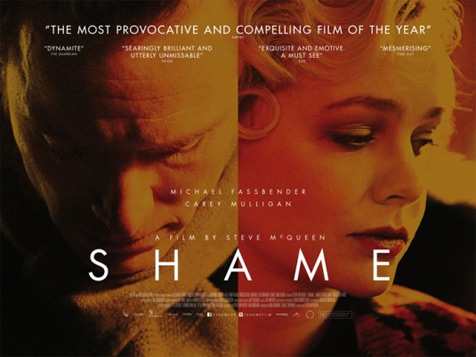
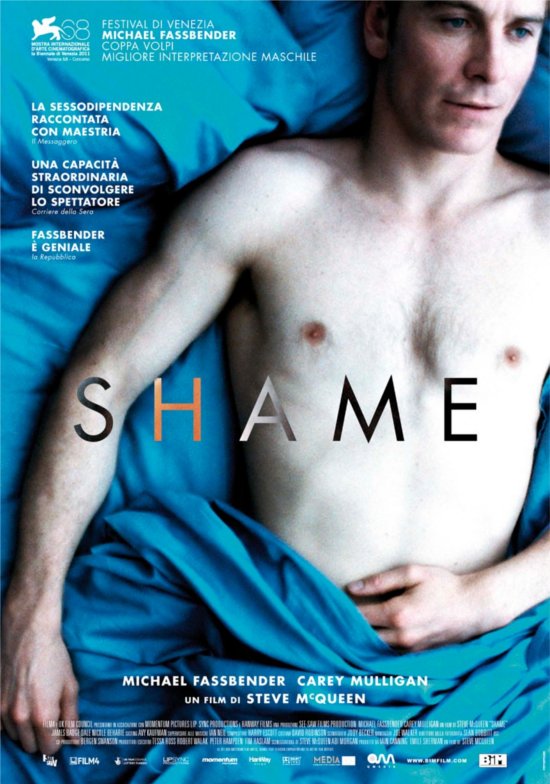
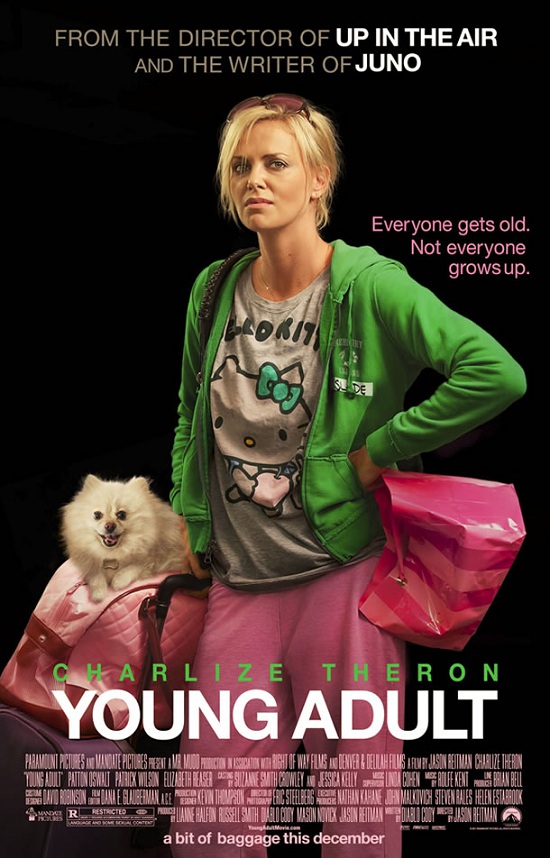
  • Review: “Shame” and “Young Adult”
  • Review: “War Horse”
  • Review: “The Girl with the Dragon Tattoo”
  • Review: “Like Crazy”
  • Review: “Hugo”
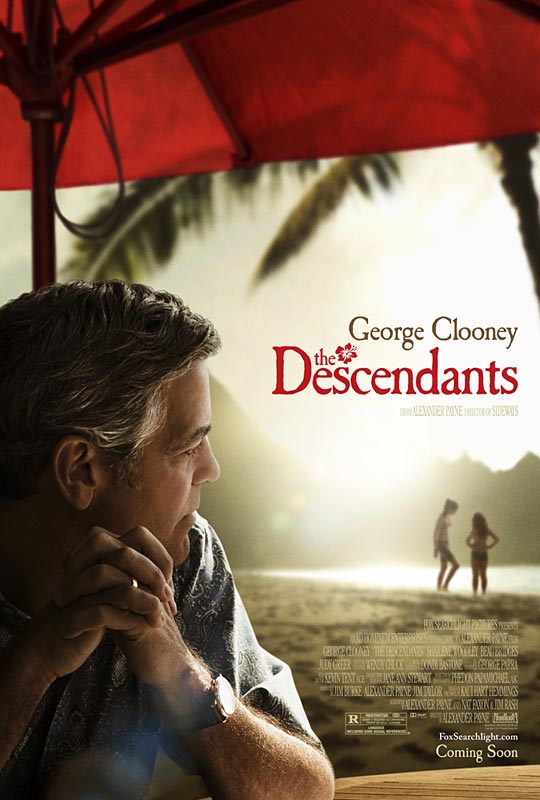
  • Review: “The Descendants”
  • Review: “My Week with Marilyn”
  • Review: “J. Edgar”
  • Review: “In Time”
  • Review: “Take Shelter”
  • Review: “The Thing”
  • Review: “The Ides of March”
  • Review: “Dream House”
  • Review: “50/50”
  • Review: “Moneyball”
  • Review: “Abduction”
  • Review: “Drive”
  • Review: “Contagion”
  • Review: “The Debt”
  • Review: “Our Idiot Brother”
  • Review: “The Help”
  • Review: “Fright Night”
  • Review: “Beginners”
  • Review: “Crazy Stupid Love”
  • Review: “Rise of the Planet of the Apes”

Colin Carman

~ Jane Austen Scholar & Culture Vulture

Colin Carman

Tag Archives: comedy

Review: “Wanderlust”

01 Thursday Mar 2012

Posted by colincarman in Film Reviews

≈ 6 Comments

Tags

alan alda, comedy, david wain, hbo, hippies, jennifer aniston, joe lo truglio, ken marino, kerri kenney silver, lauren ambrose, linda lavin, malin akerman, michael ian black, michaela watkins, paul rudd, paul theroux, wanderlust

“Tahini Green”

Review: B (RENT IT)

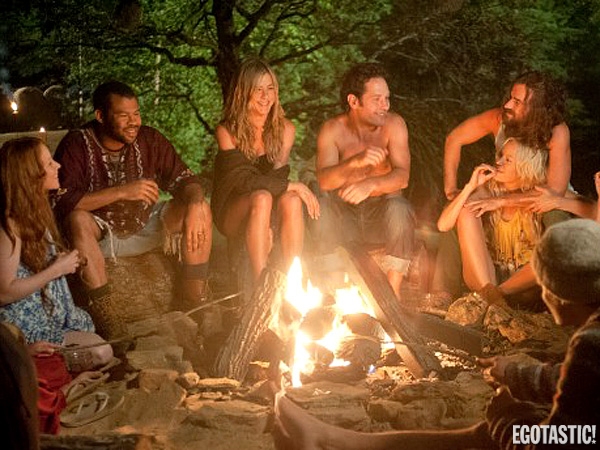
BELIEVE IT OR not, it’s been fourteen years since Jennifer Aniston and Paul Rudd first co-starred in “The Object of My Affection,” a bold rom-com (for its day) about a New Yorker named Nina who falls for her gay best friend George.  By now, Aniston and Rudd, two of the most prolific comic actors on screen, are masters of the straight face, that concealment of laughter and/or derision.  “Wanderlust” (directed by David Wain of “Role Models” and “Wet Hot American Summer”) is a reunion of sorts, both for Aniston and Rudd, as well as for members of the ‘90s-era MTV sketch troupe, The State, such as Kerri Kenney-Silver (“Reno 911”), Michael Ian Black and Joe Lo Truglio.  (Stay for the outtakes and see the actors lose it.)  This time around, Rudd plays it straight as the grounding force in a comedy about a hippie commune in north Georgia populated by kooks, yogis, and nudists.  Because Aniston delivers a comedy seemingly every full moon, her flicks are a bit like pistachios: only one in a batch is truly savory and “Wanderlust” is that flick, affectionately light-hearted and genuinely funny.

As George (again) and Linda, Rudd and Aniston are New Yorkers (again) struggling to make it in a city later defined by three things: “Stress. Blackberries.  Sleeping Pills.”  Wain’s comedy opens with the couple, perfectly matched as a pair of motor-mouth Manhattanites, buying what their realtor (Linda Lavin) calls a “microloft” in the West Village.  There’s barely room for them to lower their Murphy bed.  But George abruptly loses his job just as Linda’s pitch to HBO to buy her dead-serious documentary falls through.  A pregnant exec at HBO shoots down Linda’s project about penguins with testicular cancer, telling her: “We do violence and heartache.  But it’s sexy.”  Off the couple goes to visit George’s brother Rick (played by Ken Marino, also the film’s co-writer) and zombie-like wife (a scene-stealing Michaela Watkins) who tells Aniston at her fancy margarita mixer:  “I have a little Sky Mall problem.”  Their pathetic existence within a McMansion sends the couple back to the hippie commune, Elysium, which they stumbled upon only nights before.  They’re taken to the leader, Seth (an unshaven Paul Theroux), who waxes philosophic on veganism, anti-materialism, but when he sings the praises of free love and wife-swapping, it’s really Aniston he wants.

Apart from the commune’s patriarch (an unshaven and always likable Alan Alda), there are some great supporting cast members, namely Lauren Ambrose (“Six Feet Under”) and Malin Akerman (“Couple’s Retreat”), the latter of whom has her eyes on Rudd.  Elysium’s motto?  “We share everything here.”  Laughs aside – and there are plenty – “Wanderlust” is diagetically deranged: this urban couple is hardly the type to last long in a commune, even if it is an “intentional community” as Seth terms it, and the film goes on long after the thrill of “Wanderlust” is gone.  If drama’s pitfall is sentimentality, the death of any comedy is sheer stupidity and there are a few truly dumb moments in “Wanderlust,” especially the pep-talk Rudd gives himself before trying to even the score with Aniston-Theroux and bedding (but blowing it) with Akerman.  Much of the comedy also is a transparent opportunity to see Aniston in jean cut-offs, cowboy boots, and camisoles.  Call it (Bob) Marley and Me.  Neverthless, the couple’s choice between deadening conformity and free-spirited escapism rings true.

Best Picture Prediction: “The Artist”

28 Saturday Jan 2012

Posted by colincarman in Film Reviews

≈ 8 Comments

Tags

berenice bejo, best picture, citizen kane, comedy, jack russell terrier, james cromwell, jean dujardin, martin scorsese, michel hazanavicius, oscars, sunset boulevard, the artist, uggy the dog

“Silence Please!”

Grade: A- (SEE IT)

I CAN THINK of plenty of reasons – five, in fact – that “The Artist” collected a total of ten Oscar nominations for February’s ceremony and why it’s a likely Best Picture winner.  The only film, nomination-wise, from 2011 to outdo “The Artist” is Martin Scorsese’s “Hugo,” another nostalgic crowd-pleaser similarly interested in the advent of cinema and the rising tide of talkies in 1927.  In a class all its own, however, Michel Hazanavicius’s silent black-and-white film is a valentine to vintage Hollywood and shines for these five, fine reasons:

  1. Best Actor nominee Jean Dujardin as matinee idol George Valentin and Best Supporting Actress nominee Bérénice Bejo as starlet Peppy Miller.  The two form a fast friendship early on in “The Artist” and moving in opposite directions, Valentin can’t make the leap from silent film to talkies whereas Peppy becomes the 1920’s version of Hollywood’s it-girl.  It’s staggering to think that Dujardin and Bejo needn’t even speak to create chemistry as memorable as this.  In one dazzling sequence, Valentin sees only her legs below a screen and begins to match the pep in Peppy’s step; in another, the two cross paths on a staircase right out of Billy Wilder’s “Sunset Boulevard” (1950), equally obsessed with megalomaniacal actors from a bygone era.
  2. Uggy the Dog!  If Dujardin and Bejo aren’t already the year’s most attractive duo, there’s scene-stealer Uggy as the leading man’s loyal friend.   It was a busy year for Uggy, who also appeared in “Water for Elephants.”  He’s now ten years old and, according to owner Omar von Muller, retiring after the Oscar ceremony.  Animal tricks are about as low-brow as it gets but when Uggy plays dead in “The Artist,” it’s a metaphor for his master’s demise.  Plus “The Artist” transports us to the era when a pooch walking on his hind legs had audiences enthusing: That’s entertainment!
  3. The sudden sound in the dream scene.  Give me any vociferous action movie from 2011 – yes, “The Green Hornet” or “I Am Number Four” – and the number one most startling moment on film last year is the sudden intrusion of sound into “The Artist.”  I know that the cardinal sin of any creative writing class is to end a story with the ol’ it-was-only-a-dream line, but here, the eruption of a dog barking, a telephone ringing, and human laughter echoes the film’s exuberant heart.
  4. Everything’s a metaphor.  In the hands of a lesser director, “The Artist” would run out of steam if the plotline weren’t so universal.  But Hazanavicius gives us a movie-within-a-movie with Dujardin sinking fast in quicksand.   Given that he’s stuck in the age of silent film in a city that would like to bury him, the metaphor is obvious enough.  Isn’t the film itself a comment on the perils of resisting change?  “I’m not a puppet!” Valentin declares, “I’m an artist!”
  5. Finally, a feast for film geeks.  As Valentin’s driver Clifton, James Cromwell recalls the hired help, again, from Wilder’s “Sunset Boulevard” while the score by Ludovic Bource reverberates with echoes of Hitchcock’s “Vertigo” composer Bernard Herrmann.  There are traces, too, of “Citizen Kane.”  Music is, of course, vital in a film without dialogue.  Dartmouth professor James A. W. Heffernan once wrote “movies speak mainly to the eyes,” but “The Artist” speaks to the eyes, ears, and heart.

The Best and Worst Films of 2011

02 Monday Jan 2012

Posted by colincarman in Film Reviews

≈ 9 Comments

Tags

aaron sorkin, amanda seyfried, brad pitt, bridesmaids, charlize theron, christopher plummer, comedy, crazy stupid love, drama, drive, ewan mcgregor, george clooney, hugo, jason reitman, jessica chastain, joel shumacher, justin timberlake, kristen wiig, martin scoresese, michael fassbender, moneyball, nicolas cage, nicole kidman, oscars, owen wilson, paris, ryan gosling, sarah jessica parker, sean penn, shailene woodley, take shelter, taylor lautner, the descendants, the help, The Ides of March, the tree of life, thriller, trespass, woody allen, young adult

THE BEST FILMS OF 2011:

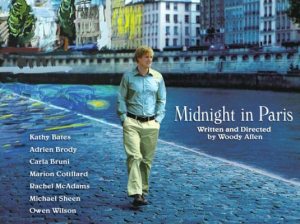
1.       “Midnight in Paris” (written and directed by Woody Allen) – Whoever thought you’d someday utter the words “Woody Allen” and “magical” in the same sentence?  After all, it’s been a long time since his “The Purple Rose of Cairo” (1985).  America’s greatest living filmmaker gives us not just his biggest box-office hit in forty years but the longest running movie of 2011.  A delightfully literary meditation on time travel and the Lost Generation.  No one can assemble a cast like Allen; Owen Wilson channels Allen without parodying his jokes and gestures in the City of Lights.

2.      “Drive” (directed by Nicolas Winding Refn) – This ultra-violent vehicle for Ryan Gosling, as the anonymous “Driver,” is a rough patch of LA noir, vicious and thrilling.  It also solidifies Gosling as the most versatile leading man to watch – politically mercurial in “The Ides of March” and a sartorial stallion in the comedy “Crazy Stupid Love” – in 2011.  “Drive” is on track to become a lasting cult favorite.

3.      “Take Shelter” (dir. by Jeff Nichols) – A harrowing meditation on paranoia and climate anxiety with the indomitable Michael Shannon (a sure-fire contender for the Best Actor Oscar) as an Ohio man coming apart.  Jessica Chastain (“The Help,” “The Debt”) was the ingénue of 2011, giving here, as a foil to her bubbly Southern belle in “The Help,” a restrained performance as the wife of a man either mentally ill or clairvoyant.  You decide.  Another powerful psychodrama, set in the heartland, from the writer-director of “Shotgun Stories.”

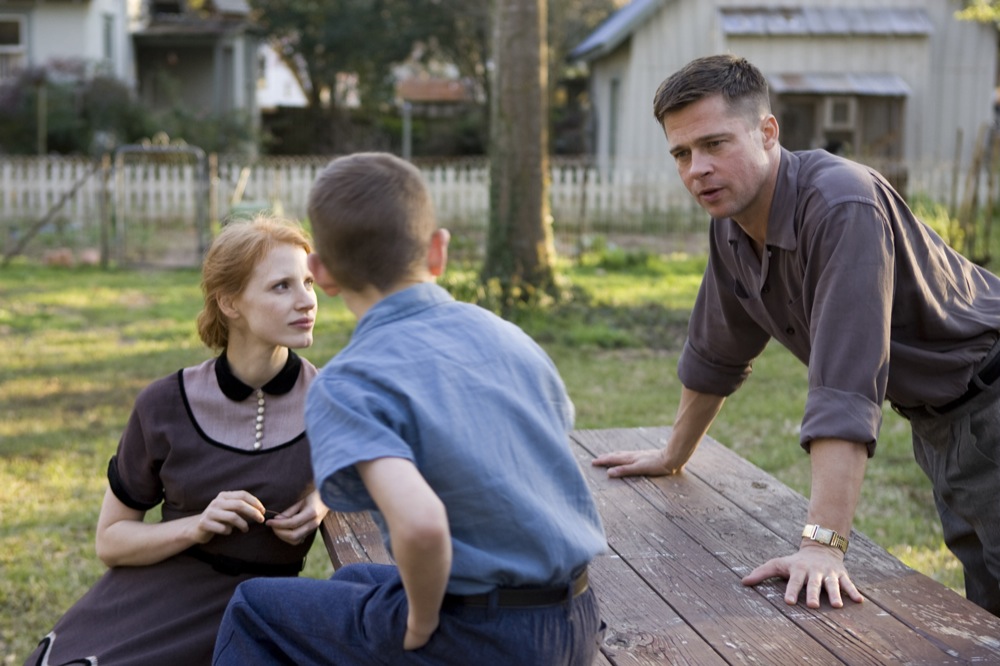
4.      “The Tree of Life” (written and directed by Terrence Malick) –  It appears only the “little things” in life matter to Malick (“Badlands,” “The Thin Red Line”).  His moving meditation on childhood, love, family, dinosaurs, Texas, the cosmos that had Americans demanding a refund must be worth the price of admission.  Believe it or not, in 2011, many movie-houses had to enforce their NO-REFUND policy for those left dazed and confused by 2011’s only poem-on-film (also the Palme d’Or winner at Cannes).  Costar Sean Penn even admitted that he had no real idea what Malick’s movie is about.  Actors!  Like any thoughtful work of art, it demands a lot from its viewer, but this tree’s roots stretch far and wide.

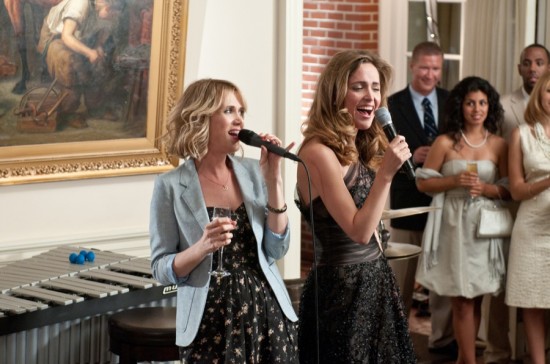
5.      “Bridesmaids” (dir. by Paul Feig) – Sure, it’s the female “Hangover” – replete with scatological slip-ups and crudely sexual candor – but “Bridesmaids” will get you to the church on time and, potentially, buzzed on the drive there.  Kristen Wiig dropped the over-the-top personae she brings to life on “Saturday Night Live” and surrounded herself with a hilarious ensemble cast that turned the chick-flick genre on its head.  That image alone of Wiig riding the automatic gate to Don Draper’s love pad is comic gold.

6.      “The Descendants” (directed by Alexander Payne) – After reading George Clooney boast to Rolling Stone that he’d be “surprised” if “The Descendants” didn’t go on to become a Best Picture nominee, I went into a showing of Alexander Payne’s new dramedy with my critical force-field up.  Yet its achingly honest tone and gallows humor eventually win you over.  Clooney’s light is less intense than newcomer Shailene Woodley as his truth-telling daughter.  The family bonds forged here feel real rather than Hollywood hokum.

7.      “Beginners” (dir. by Mike Mills) – It’s hard to believe that the man who, nearly fifty years ago, played Georg van Ludwig Von Tropp in “The Sound of Music” has the gumption, not to mention the joie de vivre, to play a newly widowed man who belatedly comes out of the closet.  Playing Plummer’s son, Ewan McGregor is on hand to scratch his head and find love (and roller-skate) for himself.  Mike (“Thumbsucker”) Mills based the comedy on his father’s own coming out and cancer.  A more cross-generational cancer comedy than the also entertaining “50/50.”

8.      “Young Adult” (dir. by Jason Reitman) – After stumbling with “Jennifer’s Body,” Oscar-winning screenwriter Diablo Cody (“Juno”) reestablishes herself by drawing up the virtually unlikable Mavis Gary, a “prom queen psychopath bitch” (lovingly described by a fellow native of Mercury, Minnesota unhappy to see her back in town and trying to break up a marriage).  Theron embodies another kind of “Monster” while Patton Oswalt delivers the laughs as a self-described “fat geek” who shares the most surprising love scene of ’11 with a wine-stained, cutlet-wearing Theron.

9.      “Hugo” (dir. by Martin Scorsese) – While contemporary Steven Spielberg stretched himself thin with “The Adventures of Tintin” and the mawkish “War Horse,” Martin Scorsese focused his attention – his 3-D attention, no less – on his first children’s film.  “Hugo” has a timeless feel, capturing the hurly-burly of an urchin inhabiting the walls of a Parisian train station and the advent of the motion picture in the age of Georges Méliès.  Is there anything Martin Scorsese can’t do? Oh, that’s right: comedy (see, or don’t see, his “After Hours” of 1985).

10.     “Moneyball” (dir. by Bennett Miller) – After last year’s “The Social Network,” screenwriter Aaron Sorkin hits another home-run with Brad Pitt  as Oakland A’s general manager Billy Beane.  Even a sports-phobe like myself could connect with a script this dizzy with details and  dialogue for grown-ups.  It’s probably time Pitt picks up his first Best Actor Oscar and why not for a willful film that venerates all of you who think outside the box – or better yet, the diamond?

THE (VERY) WORST FILMS of 2011:

1.    “Abduction” – Sorry, Twi-hards, but Jacob Black of the Twilight Saga film series committed a serious error here in the lobotomizing tale of a kid raised, unbeknownst to him, by secret agents.  Lautner is far from ready for his close-up, Mr. DeMille.  He has the vacant, Neanderthalic gaze of Kim Kardashian’s short-lived husband, Kris Humphries.  If only “Abduction” had felt as short as that marriage.

2.    “In Time” – A perfectly acceptable script from Andrew Niccol (“Gattaca”) was marred by the calling-it-in acting style of Justin Timerblake who, like Taylor Lautner, is best kept in the chorus.  Costar Amanda Seyfried resembles a dyspeptic goldfish as she and Timberlake chase across rooftops, trying to beat the clock in “In Time.”  An acting malfunction.

3.    “Shame” – For some inexplicable reason, Michael Fassbender is being praised for playing a Manhattan professional addicted to sex in the impotent “Shame.”  Never has sexuality been so boring, characters so undeveloped, and a narrative so negligible as in Steve McQueen’s self-serious sophomore effort.  If the audience isn’t laughing derisively by the time Brandon descends into an inferno of gay bars and Sapphic three-ways, they’re not paying attention.  I returned to the lobby to dispense liquid butter directly into my eyeballs to blur this nightmare of a “drama.”  Shameful, indeed.

4.  “I Don’t Know How She Does It” – The one-note Sarah Jessica Parker fails to mix it up a bit (again) in this wannabe feminist twaddle.  Parker plays Kate Reddy, a finance executive juggling professionalism and pampers.  If only Charlotte, Miranda, and Samantha had helped with babysitting duties, we might not have had to once again sympathize with the saccharine sentimentality of white woman bourgeois guilt.  Far from a breadwinner, this is a bread-loser that confirms the old adage that indeed you can’t have it all.

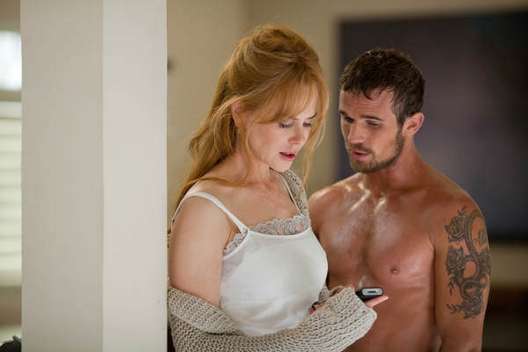
5.  “Trespass” – What was Nicole Kidman thinking to team up with the execrable Nicolas Cage and hit-or-miss director Joel Shumacher (“Dying Young,” “Phone Booth”)?  Cage plays a businessman and diamond-dealer victimized, alongside wife Kidman, during a sadistic house invasion.  If it’s pointless violence you’re after, “Trespass” has more than enough gore to go around.  If you play this loudly in your house, your neighbors will likely call the police due to its vociferous gunfire and relentless female shrieking.

In a year belonging to Woody Allen, it’s worth remembering a line from “Annie Hall” (1977).  (It’s a classic older than I am with insights immemorial.)  In the following, replace “television shows” with “movies,” especially the soulless “Trespass”:

Annie, in California: “It’s so clean out here.”

Alvy (Allen): “They don’t throw their garbage away. They turn it into television shows.”

Review: “Shame” and “Young Adult”

31 Saturday Dec 2011

Posted by colincarman in Film Reviews

≈ 3 Comments

Tags

4 non blondes, carey mulligan, charlize theron, comedy, cracker, diablo cody, drama, hunger, inglourious basterds, james badge dale, jason reitman, jennifer's body, michael fassbender, minnesota, new york, patrick wilson, patton oswalt, sex addiction, shame, steve mcqueen, the lemonheads, young adult

“Adults Behaving Badly”

Grade: “Shame” (D+/SKIP IT) and “Young Adult” (B+/SEE IT)

IT’S EITHER FEAST or famine for British artist-turned-filmmaker Steve McQueen.  His last film, the nakedly honest “Hunger” of 2008, involved the 1981 Irish hunger strike while his latest, “Shame,” is a melodrama of excess, appropriately set in the city of too-much-ness: Manhattan.  The star of both those films, Michael Fassbender (“Inglourious Basterds,” “A Dangerous Method”) plays Brandon, a handsome professional addicted to sex.  When his sister Sissy (played by Carey Mulligan) comes to town, he’s forced to confront the error of his ways and with deadening effects.  Just as Brandon loses his stamina when canoodling with a woman he actually likes and admires, “Shame” is an impotent flick – a noodley, unfulfilling affair.

Perhaps the most remarkable thing about “Shame” is that it’s NC-17.   My own 9:30 screening was preceded by a word of caution from a well-meaning usher, dispatched to tell us that the film is “intense” and that we may want to visit the bar upstairs before it closes at 10 PM.  “Shame” will no doubt spur the urge to drown your sorrows.  With a plot so thin it’s diaphanous, “Shame” follows Brandon from the depths of the subway, where he makes eyes at a beautiful stranger, to the towering heights of his office space where it’s unclear what Brandon does for a living, except that his hard drive has been confiscated by his employers.  His womanizing boss (James Badge Dale) gives him a mere slap on the wrist, calling his Internet history “filthy,” but happily joins him during his late-night sexcapades.

Brandon’s home life is no less troubling: sister Sissy beds his boss right before his eyes and her wrists are scarred from previous suicide attempts.  She’s also an aspiring singer, and we’re subjected to Ms. Mulligan’s painful rendition of “New York, New York” inside a lazily-lit lounge.  It’s also, aptly, her only number in a one-note film lacking any dimensionality.  Gone are such plot devices as rising action and character development.  The great irony of “Shame,” a film purportedly about sex addiction, is that it’s missing a climax.

Sex addiction remains a contentious matter.  Is it a real affliction or a cop-out for those lacking self-control?  Who else but the very beautiful could decry the problem of too much sex?  “Shame” sheds little to no light on this question.  If the red-flag of compulsion is a destructive impact on one’s professional and personal life, Brandon’s erotic preoccupations fail to qualify.  Only a puritan would treat Brandon’s love of pornography (unquenched by his onanistic trips to the men’s bathroom while at work) with such shock and revulsion.  Even more shameful is the way gay sexuality is inserted into Brandon’s downward spiral.  “Shame” suggests that Brandon has only truly hit rock bottom once he enters a red-lit gay bar, desperate for gratification, followed up by a threesome with two women.  The heavy orchestral music that accompanies Brandon’s conquests makes the whole affair laughably lugubrious.  As a Garden State native, I take particular offense to Sissy’s remark to Brandon, “We’re not bad people – We just come from a bad place,” since that place is New Jersey.  First, Snookie – now this.


IF IT’S CHARACTER and complexity you’re looking for –real people with real interiorities – look no further than Diablo Cody’s acerbic new comedy, “Young Adult” starring an unsmiling and spectacular Charlize Theron.  Like the protagonist of “Shame,” Theron’s character repeatedly wakes up, face-down, in her high-rise apartment.  She’s another rudderless and lonely thirtysomething for whom the thrill is gone.  She’s Mavis Gary, the high school prom queen who left her hometown of Mercury, Minnesota for Minneapolis (admiringly dubbed the “Mini-Apple” by locals).  Mercury residents think Mavis leads a glamorous life as a writer of young adult novels, but instead, she inhabits a dreary apartment littered with Diet Coke cans, pee-pads for her Pomeranian named Dolce, and a TV always tuned to the E! channel.  Upon learning that her old beau, Buddy Slade (played by a scruffy Patrick Wilson), has become a new father, she drops what she’s doing – including the one-night-stand still asleep in her bed – to win him back.  Mavis is driven by delusion, so much so that you’ll want to throttle her.  “Buddy Slade and I are meant to be together,” she insists, “and I’m here to get him back.”

A proud and aspiring homewrecker, Mavis is one of the most unforgettable female figures of the year.  Cody’s script flies in the face of every romantic comedy convention since her anti-heroine, Mavis, isn’t just flawed but ferociously unlikable: about as warm as the tundra, narcissistic, and like many of Cody’s characters, especially those in her uneven foray into horror (2009’s “Jennifer’s Body”), downright mean.  When Mavis runs into an old classmate, Matt Freehauf (a perfect Patton Oswalt) at a dive bar called Woody’s, she remembers Matt only as the “hate crime guy” who was brutally attacked by jocks – his leg and pelvis shattered by a crowbar – and replies coldly to his misfortune: “Didn’t you get to miss a lot of school for that?”

As in all of Diablo Cody’s scripts, the devil is in the details: a love of slang, socially awkward moments, and the banalities that define American life (its Pizza Huts, its Hampton Inns, its broken computer printers).  Director Jason Reitman (“Up in the Air,” “Thank You For Not Smoking”) also directed Cody’s breakout, “Juno,” and his keen sense of pacing and comic timing serves her script well, once again.  No one looks more out of place than the impossibly beautiful Theron inside a generic sports bar, but Reitman manages to go beneath that surprising surface.  When Mavis’s humanity finally emerges, at a Slade family party that she predictably turns upside down, you genuinely feel for her as some details of her and Buddy’s past come, kicking and screaming, to light.

Of all the Nineties tunes wafting through this little gem of a film (Cracker’s “Low,” 4 Non Blonde’s “What’s Up”), “It’s a Shame About Ray” by the Lemonheads may be the most telling.  It’s a shame about “Shame” but “Young Adult” is a full-grown work.

Review: “The Descendants”

29 Tuesday Nov 2011

Posted by colincarman in Film Reviews

≈ 2 Comments

Tags

alexander payne, comedy, drama, george clooney, hawaii, jack nicholson, jim rash, judy greer, kaui hart hemmings, nat faxon, patricia hastie, shailene wooley, shakespeare, the descendants

“Welcome to Paradise?”

Grade: A- (SEE IT)

NOT SINCE THE invention of the kitchen food-processor has a vegetable endured such abuse.  In Alexander Payne’s affecting new tragicomedy, “The Descendants,” an unfaithful thrill-seeker of wife named Elizabeth (Patricia Hastie) lies comatosed in a Honolulu hospital while various family members stomp their feet and shout at her.  Even her lover’s wife (a mousy and marvelous Judy Greer) comes around, bearing flowers with seemingly good intentions, and soon rages against the dying woman.  The lasting notion of Payne’s drama is that Elizabeth is a blank screen upon which her family members project their worst ideas about her.  Because she never speaks, because she’s prematurely sent to what Hamlet famously called that “undiscovered country, from whose bourn/No traveler returns,” her own side of the story remains the great missing puzzle piece behind her infidelity and ensuing family fracture.

Elizabeth’s husband, Matt King, a real estate lawyer subtly played by George Clooney, has a long list of grievances, principally that their 17-year-old daughter Alex (Shailene Woodley) spotted her with another man not long before the boating accident that put her in a persistent vegetative state.  A bikini’d Alex returns from rehab, angry and adolescent, and in a nod to “The Graduate,” sinks to the bottom of a leaf-strewn swimming pool upon hearing that her mom will soon be taken off life-support.  Left to fill Elizabeth’s shoes is a cuckolded Clooney who tells us in the film’s opening voice-over: “I’m the back-up parent, the understudy.” Going to the movies means that more often than not, Humpty-Dumpty families have to put themselves back together again – that’s what fiction means – but “The Descendants” is so sardonically real, so life-like, in its representation of modern families that the predictable reconciliation in the final reel doesn’t feel forced or fantastical.  It can be as quotidian and Friday-night as watching “The March of the Penguins” on the sofa while sharing ice cream as a family.

Based on his previous two knock-outs, “About Schmidt” and “Sideways,” Mr. Payne is a master of loco-description, bringing particular places (and all their eccentricities) to life. (This is the dramedy filmmaker, after all, who made an everyman out of the usually larger-than-life Jack Nicholson.)  Just as Nebraska and California wine-country were central to those earlier films, the lush landscape of Hawaii, particularly Kauai, is hardly backdrop in “The Descendants.”  The hibiscus patterns, beach-bums, and Tommy Bahamas are all there, but stripped of their far-off exoticism.  For once, Hawaii on screen is a place you don’t want to someday visit.  Clooney utters the film’s most powerful analogy: “A family is an archipelago, part of the same whole but drifting apart.”

Working from Payne’s (and Nat Faxon and Jim Rash’s) of adaptation of a novel by Kaui Hart Hemmings, the plot is devastatingly domestic: after Elizabeth’s accident, Matt has to lead a gaggle of children and friends toward coming to terms with her loss.  When daughter Alex informs him of the affair, he runs flat-footedly in loafers to a nearby house to demand the truth from Elizabeth’s closest friends.   In “The Descendants,” Clooney is buoyed by the best ensemble cast of the year:  as the flippant Alex, Ms. Woodley (“The Secret Life of the American Teenager”) is a revelation; so, too, is Robert Forster who, as Elizabeth’s doting father, appears in only two scenes and fills each with his wounded rage.  After a word of warning, he cold-cocks Alex’s teenage boyfriend, Sid, who, in a lesser film, would have remained a stoner stereotype but here instead shares a brief bit of dialogue with a sleepless Matt about his own grief.  It’s these realistic touches that make “The Descendants” hard, like family, to shake off.

Review: “Our Idiot Brother”

01 Thursday Sep 2011

Posted by colincarman in Film Reviews

≈ 3 Comments

Tags

30 Rock, boulder, bum, comedy, crocs, dinner for shmucks, elizabeth banks, emily mortimer, family, film review, golden retriever, hippie, homewrecker, how do you know, lebowski, lisa kudrow, natalie portman, NBC, our idiot brother, poetry, pt anderson, punch drunk lover, purell, rashida jones, shirley knight, sisters, summer movie, the other woman, thespian, urkle, willie nelson, zooey deschanel

“Small in the Family”

Review: “Our Idiot Brother”

(for Christopher)

Grade: B (RENT IT)

IS HONESTY ALWAYS the best policy?

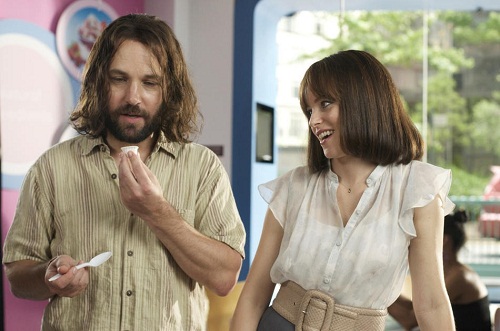
“Our Idiot Brother” answers that eternal question with a resounding YES though it stresses that truth is not without its casualties.  The engine of unflinching truth-telling is the film’s lovable and, yes, idiotic protagonist Ned Rockland (played by Paul Rudd in a Lebowski-like beard and hippie haircut).  When he walks in on his brother-in-law, Dylan (Steve Coogan), in the buff and cheating on his sister, he doesn’t beat the guy to a bloody pulp.  No, he sanitizes his hands with a squirt of Purell and goes about his merry way.  A more apt title would be “Our Naïve and Puerile Brother with No Conversational Filter,” but that wouldn’t exactly sell tickets now would it?

“Our Idiot Brother” is just the heartfelt comedy to break Rudd’s losing streak in a string of turkeys otherwise known as “Dinner for Shmucks” and “How Do You Know.”  As Ned, he brings a 90-minute smile to the face.  Watch as he joins Dylan, a smarmy filmmaker, on the set of a dance studio and, getting his plastic shoe wedged in the ballet bar, explains: “My Croc is stuck.”  Rather than playing the role with a meta-thespian’s wink to the audience, as if to say “How dumb is this guy?”, Rudd plays Ned with absolute earnestness and it’s the film’s recipe for un-self-conscious success.   See Ned bounce on a trampoline while sipping a juice box.  Hear Ned unsure of whether or not he has health insurance.  See Ned, working a farmers market at the film’s opening, give free fruit to children and accidentally sell pot to a uniformed policeman.   Oops.  The arrest means that Ned loses the farm – the organic farm – and sole custody of his golden retriever named Willie Nelson.  “Willie Nelson!” Ned exclaims as his pooch is packed into a copcar.  “It’s going to be okay Willie Nelson!”

Ned is the sort of lovable guy who, when angry, grumbles under his breath “Geez Louise!” and when really angry, exclaims: “Oh wow, I mean, wow!”  Rudd shows all the bygone tenderness required of him as Jennifer Aniston’s gay best friend in “The Object of My Affection” (1998) but not required of him in any of the Apatow raunch as of late (“Anchorman,” “The 40 Year Old Virgin,” et al).  Without Rudd, the comedy’s center cannot hold.

This is not to disparage the three actresses who play Rudd’s cosmopolitan sisters: a predictably half-awake Zooey Deschanel as the indie bisexual Natalie, Elizabeth Banks as the journalist Miranda, and Emily Mortimer as the panicky Manhattan mama Liz.  (Mortimer and the laser-eyed Banks have both taken hilarious turns as Alec Baldwin’s girlfriend on the NBC sitcom “30 Rock.”)   And there a few more strong women to keep Ned afloat, including Rashida Jones as Natalie’s girlfriend in Urkle glasses, not to mention Ned’s Chardonnay-swilling mother (Shirley Knight) and hippie ex-girlfriend Janet (Kathryn Hahn).  Not since P.T. Anderson’s “Punch Drunk Love” (2002) have we seen such an idiot savant – or maybe it’s just plain idiot? – surrounded by so many screaming sisters.  Why are such mighty matriarchies so seldom seen on screen?

The sisters in “Our Idiot Brother,” however, are clichés rather than characters.  Dylan’s wife, Liz, is as uptight as she is uptown and, worried that her son won’t be accepted into an elite elementary school, is covering familiar ground; Lisa Kudrow already nailed this social type in the underrated “The Other Woman” (2009) with Natalie Portman as a sympathetic homewrecker.  And speaking of homewreckers, Ned is something of one himself, but his systematic destruction of his sisters’ domestic bliss is more accidental than malicious.  As anyone with an idiotic sibling might sigh, they know not what they do.

————————————————————————————-

Speaking of siblings, here’s a poem I wrote for my own idiot brother:

Give a Bum a Beer: A Drinking Rhyme

Give that guy a beer, said he

Lowering my window without me

Asking.

Give that bum a beer? I asked

Without a glass?  Into a flask? He’s

Coming.

Yeah, just toss that guy a can

Good beer is like a lending hand for

Drinking.

Our radio rang “People are strange”

The man said:  Can you spare some change? I’m

Roasting.

How ‘bout a beer? my brother said

Right on, he grinned.  Better drunk than fed when

Struggling.

Thanks for helping a brother out

Instead of blind-eyein’ and drivin’ about, you’re

Sharing.

–          Boulder, Summer 2011

Review: “The Help”

25 Thursday Aug 2011

Posted by colincarman in Film Reviews

≈ 1 Comment

Tags

1960s, alabama, allison janney, bryce dallas howard, comedy, crazy stupid love, don draper, drama, emma stone, injustice, jackson, jessica chastain, kathryn stockett, mad men, martin luther king, meryl streep, novel, octavia spencer, patriarchy, proof, race, racism, sissy spacek, straight A, summer movie, tate taylor, the help, the south, tree of life, viola davis, white

“Separate but Sequel?”

Movie Review: “The Help” (2011)

Grade: B+ (RENT IT)

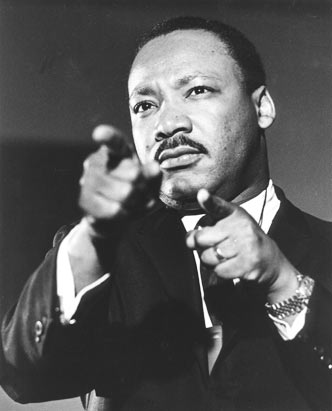
IN THE SPRING of 1963, Martin Luther King, Jr. was imprisoned for eight days in an Alabama jailhouse.  The crime?  Leading a peaceful protest against the institutionalized racism of the age otherwise known as segregation.  The result?  M.L.K’s masterwork “Letter from Birmingham Jail,” perhaps the second most important work of antiauthoritarian argumentation after that little-known piece of paper called “The Declaration of Independence.”  In a blend of aphorism and oratory, King writes of what he calls the “interrelatedness of all communities and states,” adding: “Injustice anywhere is a threat to justice everywhere.”  The part, in other words, infects the whole.

The part in Tate Taylor’s “The Help” is the kitchen or the nursery in any ordinary Southern house and the whole is the deeply racist and paranoid world outside.  The uniformed maids working long hours in those humid, white-owned spaces have grown bitter and resentful after generations of hardship.  Known euphemistically as “the help,” they’ve got a few stories to tell about the white women they’re forced to “Yes Ma’am” all damn day long.  All they need is a person in power to get the word out, to publicize their notes from the underground.  They get more than they bargain for when a brash white woman comes home, proclaiming: “I’d like to write something from the view of the help.”

Based on the much-anticipated film adaptation of Kathryn Stockett’s 2009 best-selling novel, “The Help,” director Tate Taylor preserves Stockett’s sense that even the domestic sphere has something instructive to say about the world outside.  Set not in Birmingham but in Jackson, Mississippi in 1962, the narrative unfolds inside a hermetically-sealed world of upper-class white privilege, one in which dessert forks and serving from the left still matter.  There’s Hilly (played by Bryce Dallas Howard), a veritable slave-master in a beehive who believes wholeheartedly that black maids should use separate bathrooms from whites, and Allison Janney as the cowardly mother of the film’s white heroine, Skeeter (the starlet du jour Emma Stone of “Easy A” and “Crazy Stupid Love”).  It’s not just Skeeter’s name that sets her apart from the vapid dilettanti of Jackson high society but Skeeter’s freckles, corkscrew hair, her literary aspirations, and her little interest in marriage and men.  When Skeeter returns home as an Ole Miss alumnus with a new writing job, her mother corners her about her unconventionality, worried that she’s having “unnatural thoughts” about the same sex.  “I read there’s a cure,” blurts a worried Janney, even a “brew tea” to make her more like Hilly and herself.

But Skeeter sticks to her guns and to the marginalized black help of Jackson, namely Aibileen (the indomitable Viola Davis) and Minny (Octavia Spencer).  Davis earned a Best Supporting Actress Oscar nomination for just eight minutes’ worth of screen time with Meryl Streep in “Doubt” (2008).   She has a fascinating face – deep and protuberant eyes always on the verge of crying – and alongside Spencer’s Minny, she’s the emotional core of “The Help.”  The two provide Skeeter with first-person accounts of their humiliations.  One of Skeeter’s questions, which we hear twice, is even sadder the second time: “How does it feel to raise white children while your own children are being raised by someone else?”  Unsure, or perhaps afraid, to answer, Aibileen can only stare at the portrait of her dead son (the victim of a racial hate crime) on her kitchen wall.   When the testimonials of Aibileen and Minny grow into Skeeter’s book-length exposé of white establishment, the joke is mainly on Hilly.

The film’s pace and performances are equally fine.  It’s refreshing to see Bryce Dallas Howard drop the usual blankness of her expression and relish in the bitchy malevolence of her role.  Her senile mother, played by a cat-eyed Sissy Spacek, garners laughs since even she finds her daughter’s racist airs repugnant.  On the narrative sidelines, perhaps, is the character of Celia (played by Jessica Chastain, the ethereal mother-figure in “The Tree of Life”) who, like Skeeter, sees no value in separate bathrooms and dining areas and relies on Minny (who is fired by Hilly for insubordination) to teach her how to cook and play the perfect wife.  The fact that she can’t get pregnant and that she’s viewed as a harlot by the in-crowd has driven her slightly batty.

By empathizing with Celia’s predicament as well as Minny’s, “The Help” smartly rounds out the various levels of subjugation at work in 1960s culture.  What’s worrisome about America’s nostalgic return to that era – thanks to “Mad Men” and its various offspring – is that the age of the skinny tie was, in reality, an age of wide disparity.  For every Don Draper in a skyscraper there were a million more Aibileens and Minnies.  The ditsy Celia is as much a victim as they are since all these women, white or black, are relegated to social roles that simply don’t fit.  The main deficiency of “The Help” is that it doesn’t do enough with this parallel form of oppression.  Too eager to please, the film loves to watch Hilly fall flat on her face over and over again, but in this respect, it can’t see the forest for the trees.  “The Help” misses the fact that racism and patriarchy are overlapping forces, which means that even the most villainous women are sometimes victims.

Review: “Beginners”

17 Wednesday Aug 2011

Posted by colincarman in Film Reviews

≈ 2 Comments

Tags

beginners, christopher plummer, closet, comedy, ewan mcgregor, family, freud, gay, goran visnjic, gospel, jack russell terrier, mary page keller, me and you and everyone we know, melanie laurent, miranda july, no one belongs here more than you, the future, the sound of music, thumbsucker, walter kirn

“In Bloom”

Movie Review: “Beginners”

Grade: A- (SEE IT)

IN THE BEGINNING was the Word, and the Word was with God, and God had a Son, and God said: “Son, I’m gay.”  This is the gospel according to Mike Mills’ new film, “Beginners,” inspired in part by the director’s own relationship with his father, Paul, who died of cancer in 2004 shortly after coming out of the closet.   Paul (or “Hal” as he’s known in Mills’ film) is played sensitively and memorably – Oscar voters take note! – by 81-year-old veteran actor Christopher Plummer.  That’s right, Christopher Plummer as in Captain Georg von Trapp in 1965’s “The Sound of Music” and pretty much every film since then.  What lends “Beginners” its charm is the smiling spryness Plummer brings to the role of a septuagenarian essentially reborn as the gay man he never got to be.  We see him, shirt unbuttoned, strolling a dance floor packed with younger men, and later, calling his son for some social cues.  “Oliver, they had some wonderfully loud music in the club tonight,” he informs him over the phone, “What kind of music is that?”  His son, in bed, replies reticently: “Probably house music.”  “Okay,” says Plummer, chuckling to himself as he writes this down in case he forgets, “House music.”

As Mills’ fictional stand-in, Oliver (played by Ewan McGregor) is a kind-hearted Los Angelino who inherits his father’s Jack Russell terrier named Arthur (played by Cosmo) after his dad dies at age 75.  Since the film is told nonchronologically, we’re sometimes given endings before beginnings, which keeps the memories of Oliver’s deceased parents alive and, well, amusing from start of finish.  In one flashback, a young Oliver is taken to an art museum by his eccentric mother Georgia (Mary Page Keller).  She’s asked to leave after imitating the geometric designs on display.  “What?” she asks her young son, “I’m not allowed to interact with the art?”  Now flash forward to the modern day where Oliver meets Anna (the ravishing Mélanie Laurent) at a costume party where Oliver, with Arthur in tow, is dressed as the good Viennese doctor, Sigmund Freud.  A mute Anna has laryngitis and communicates only through pen and paper.  Playing the analysand, she sprawls out on the sofa before him.  “I guess we should begin with your mother,” Oliver jokes.  A relationship soon blossoms to parallel the love story of Hal and his young boyfriend Andy (a shockingly plain Goran Visnjic in a pageboy haircut).

The first frame of “Beginners” features a white flower in full bloom followed closely by the grim imagery of death: Oliver cleaning out his father’s house in the Hollywood Hills, dragging garbage bags to the curb, and flushing his dad’s cancer meds down the drain.  There’s a love of whimsy and unpredictability in Mills’ “Beginners,” as well as in his 2005 adaptation of Walter Kirn’s coming-of-age story, “Thumbsucker.” Mills is probably better known, however, as Mister Miranda July (“Me and You and Everyone We Know” and the oddball short story collection, “No One Belongs Here More Than You”).  Director of “The Future,” July shares Mills’ love of social weirdness, and since we’re getting Freudian, Oliver’s mother sports a curly haircut uncannily similar to the real-life July’s.   

From the outset of “Beginners,” Hal’s Jack Russell is so preternaturally smart that he speaks in subtitles, a clever but gimmicky touch that kept the audience members around me giggling to no end.  Giving Arthur a tour of his apartment, Oliver sits him down, man-to-man, and tells him: “Look, it’s lonely out here, so you better learn how to talk with me.”  An alert-looking Arthur stares back, his subtitle reading: “While I understand up to 150 words – I don’t talk.”  What the bittersweet “Beginners” explores is that desire to talk, and to be heard, which seemingly spans age groups, generations, even species. 

Review: “Crazy Stupid Love”

08 Monday Aug 2011

Posted by colincarman in Film Reviews

≈ Leave a comment

Tags

blue valentine, bromance, comedy, crazy stupid love, ewan mcgregor, Glenn Ficarra, i love you philip morris, jim carrey, John Requa, julianne moore, movie review, romantic comedy, ryan gosling, smurfs, steve carell, the hangover

“Isn’t It Bromantic?”

Grade: B (RENT IT)

IN CASE YOU hadn’t heard, the feet are the windows to the soul.  At least, the opening shots of “Crazy Stupid Love,” in which we see various couples engaged in playful games of footsy under restaurant tables, suggest as much.  The credits come to a screeching halt with the first sight of Mr. and Mrs. Weaver’s feet which, removed from each other and planted firmly on the floor, say a lot about their moribund marriage.  Worse, Cal Weaver (played by Steve Carell) is decked out in suburban dad-wear – khaki pants and New Balance sneakers – and unbeknownst to him, his wife has slept with a coworker (Kevin Bacon).  Yes, the thrill is gone for Emily Weaver (played by Julianne Moore) though she’s not sure she wants the single life either.  When the two can’t decide on a dessert, Cal suggests they simultaneously blurt out exactly what it is they’re craving.  But Emily doesn’t exude baked Napoleon, as Cal might have hoped, but “I want a divorce.”  How a good-natured guy like Cal can rescue and restore his marriage becomes the premise which “Crazy Stupid Love” pursues with entertaining results.  This is another comic success from “Bad Santa” writer-director team Glenn Ficarra and John Requa who, in 2009, debuted with the underrated “I Love You Philip Morris,” the story of a gay conman (Jim Carrey) who only has eyes for Ewan McGregor.

After free-falling into newfound bachelorhood after twenty plus years of marriage, Cal lands in a posh nightclub packed with beautiful and available women.  He becomes something of a dreadful fixture in the bar, however, as he drinks too much and bores strangers with the details of his breakup.  Carell’s delivery is pitch-perfect as we watch an inebriated Cal talking (slurring) to himself: “You know what word isn’t used much any more? Cuckold!  I was cuckolded by my ex-wife!  She made a cuckold out of me.”  And just as Cal becomes a social car-wreck from which you can’t look away, Jacob (Ryan Gosling) steps in to remake this lonesome loser into the Casanova he knows Cal has hiding inside.  In his crisp collars and tailored suits, Jacob isn’t just a clothes horse but a sartorial stallion.  Gosling is also like licorice for the eyes and even Cal is seduced; the two develop a deep and enduring bromance.  When he meets Cal at a LA shopping mall, Jacob throws Cal’s sneakers over the balcony before shepherding him through a new-clothes shopping spree, assuring him that Emily will rue the day she ever left him.  This is the capitalistic ethos personified: the road to romance runs right through your wallet.

The banal title notwithstanding, “Crazy Stupid Love” will charm you in large part because of Carell’s anxious everyman antics and the smirking ease of Gosling’s performance.  It’s good to see the latter lightening his pallette after last year’s pathos-laden “Blue Valentine.” The script is also layered with charming though familiar subplots. The Weavers’ preadolescent son, Robbie (Jonah Bobo), for example, has made a religion out of his babysitter Jessica (Analeigh Tipton) who is too infatuated with her employer Cal to notice.  Coincidences multiply in “Crazy Stupid Love,” which is cleverly plotted by “Cars” screenwriter Dan Fogelman, but perhaps too much so in the film’s final moments.  Set at a backyard BBQ, the resolution feels like a sitcom where loose ends are tied together too tightly.  Still, in a summer cinemascape occupied by Smurfs and penguins, it’s refreshing to see a romantic comedy aimed at grown-ups as crazy and stupid as we may be.

For my “Bromance Flix and the State of Dudedom” (2010 Film Review of “The Hangover,” et al) see:

http://www.thefreelibrary.com/’Bromance’+Flix+and+the+State+of+Dudedom.-a0216644249

Newer posts →

Unknown's avatar

Recent Posts

  • Review: “Monsters: The Lyle and Erik Menéndez Story” (Netflix; 2024)
  • Sign Posts!
  • What Killed Jane Austen?
  • Was Austen a Holy Roller?
  • 5 Objects of Vivid Interest

Enter your email address to subscribe to this blog and receive notifications of new posts by email.

Join 256 other subscribers

Top Posts & Pages

  • Colin Carman
  • Review: "Monsters: The Lyle and Erik Menéndez Story" (Netflix; 2024)
  • Review: "Crazy Stupid Love"

Jane Austen

action alien alpha dog amanda seyfried animals anton yelchin blue valentine bradley cooper brad pitt bromance carey mulligan charlize theron chawton christina hendricks christopher plummer colin farrell comedy crazy stupid love crime daniel craig dickens dracula drama emma stone england ewan mcgregor family frankenstein freud gay george clooney hampshire hbo horror jack russell terrier Jane Austen jessica chastain john lithgow joseph gordon levitt jude law kurt cobain mad men madonna mansfield park mary shelley matthew mcconaughey michael fassbender naomi watts oscars paris paul rudd philip seymour hoffman poetry politics portsmouth pride and prejudice romantic romantic comedy ryan gosling science fiction september 11 sex shakespeare shelley steven soderbergh summer blockbuster the hangover the help the social network thriller tim burton true blood twilight vampires viola davis

Blog Stats

  • 55,662 hits
  • RSS - Posts
  • RSS - Comments

Colin Carman Twitter

Tweets by ColinCarman

Colin Carman

Colin Carman

Archives

  • January 2025
  • July 2019
  • May 2013
  • April 2013
  • March 2013
  • February 2013
  • January 2013
  • December 2012
  • November 2012
  • October 2012
  • September 2012
  • August 2012
  • July 2012
  • June 2012
  • May 2012
  • April 2012
  • March 2012
  • February 2012
  • January 2012
  • December 2011
  • November 2011
  • October 2011
  • September 2011
  • August 2011
  • July 2011

Blogroll

  • Cinema Train
  • Dan the Man's Movie Reviews
  • Fogs' Movie Reviews

Category Cloud

Film Reviews Jane Austen Poems and Plogs (Poem-Blogs) Uncategorized

Blog at WordPress.com.

  • Subscribe Subscribed
    • Colin Carman
    • Join 171 other subscribers
    • Already have a WordPress.com account? Log in now.
    • Colin Carman
    • Subscribe Subscribed
    • Sign up
    • Log in
    • Report this content
    • View site in Reader
    • Manage subscriptions
    • Collapse this bar
 

Loading Comments...